
















IDD Therapy in Essex
Intervertebral Disc (Spinal) Decompression Therapy
Chigwell & Gidea Park (Romford) Clinics. Call Chigwell 020 8501 0937 or Gidea Park 01708 782026

What Is IDD Spinal Decompression Therapy?
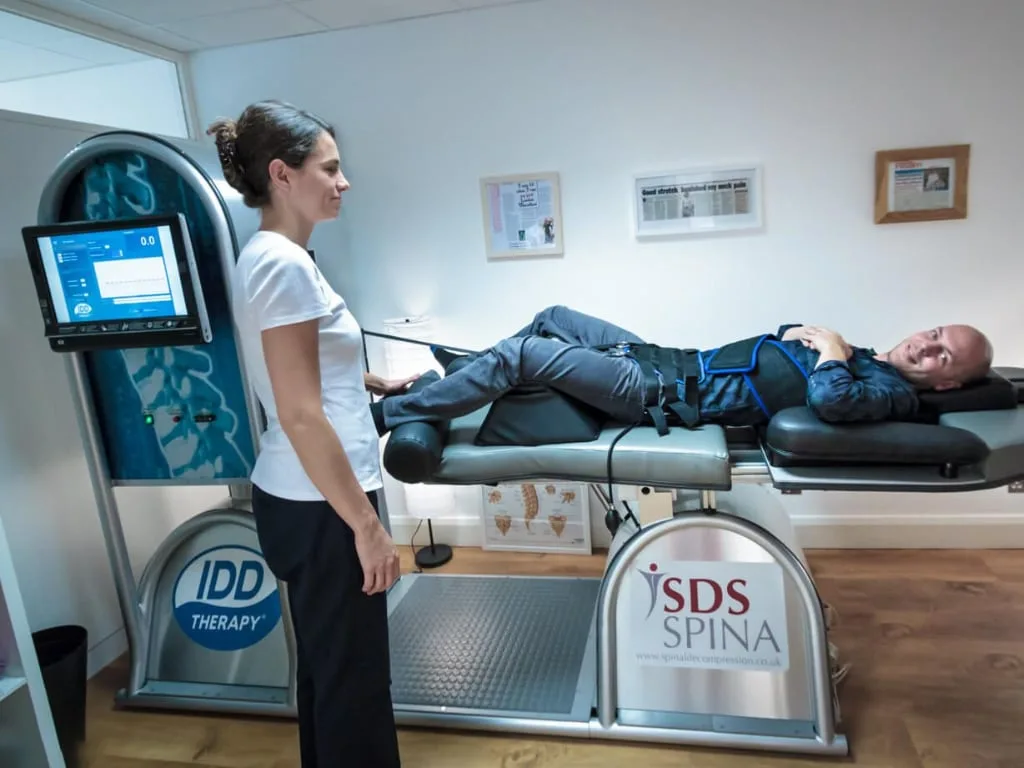
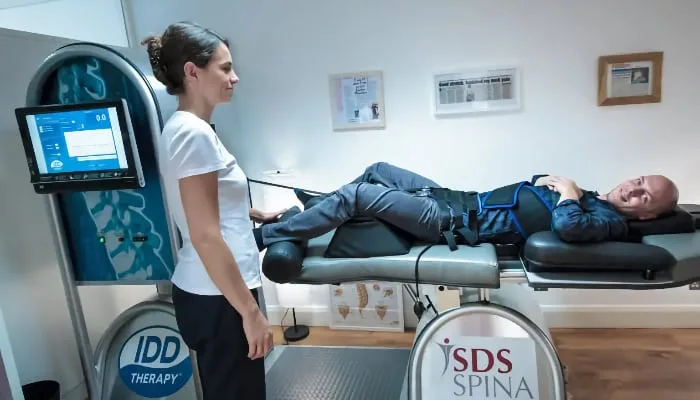
IDD Therapy is the leading non-surgical spinal decompression treatment. It uses precise angles and computer-controlled, patented oscillatory decompression forces to target specific segments of the spine, alleviating pressure on compressed discs and trapped nerves to promote natural healing and pain relief.
With its patented oscillation feature, IDD Therapy is the gold standard in non-surgical spinal decompression. Be wary of other cheaper, less effective forms of decompression or traction.
Safe, gentle and non-invasive, IDD Therapy addresses the failings of traditional traction and the natural limitations of what clinicians can do with the hands alone. Treatment involves the gentle distraction (drawing apart) of targeted spinal segments to remove pressure from the discs and spinal nerves, reduce pain, promote healing and improve mobility.
One of the UK's Most Experienced IDD Providers
We are one of the UK's most experienced providers of IDD Therapy. In 2011 we proudly established the first clinic in Essex, and the 3rd in the UK, to offer IDD Therapy. Two years later, after our success in Chigwell, we established the first IDD Therapy clinic in London city centre.
We have patients coming from all over London and Essex for treatment of sciatica, stenosis, trapped nerves and worn discs, including self-referrals and referrals from spinal surgeons.
Conditions Treated with IDD Therapy
- Slipped, bulging or herniated discs in the lumbar spine (low back) or cervical spine (neck)
- Degenerative disc disease and Modic change
- Sciatica (leg pains from the back) and pinched or trapped nerves
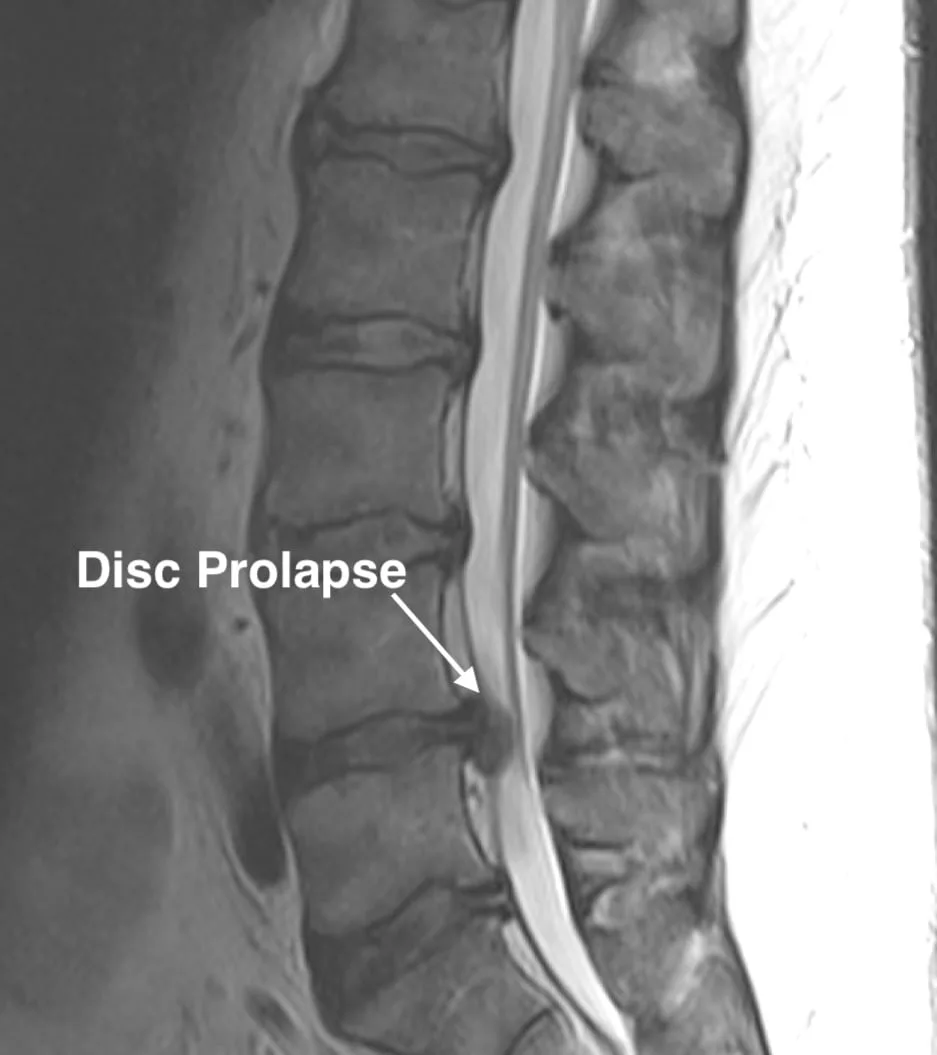
- Disc protrusion, prolapse or spondylosis (disc thinning)
- Stenosis (canal or foraminal) and facet pain
- Chronic low back pain and morning stiffness
- Tingling and numbness in the arms or legs
- Stiffness in the back or neck, weakness when lifting
- Difficulty bending, sitting or standing
Why Choose IDD Therapy at Spine Plus?
- One of the UK's most experienced IDD providers (since 2011)
- Available at Chigwell and Gidea Park (Romford) clinics
- We scrutinise your MRI images, not just the radiologist's report
- We work closely with spinal consultants and radiologists
- Free MRI evaluation and consultation to assess suitability
- Super friendly staff dedicated to helping patients with chronic pain
- Close to public transport; parking on site
How Does IDD Therapy Work?
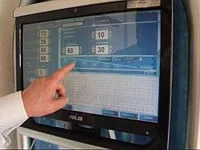
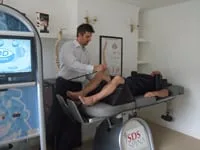
Each treatment on the SPINA machine lasts approximately 25 minutes. Before treatment, infrared heat is applied to the area to increase blood flow. After treatment, cold packs are applied to reduce inflammation and encourage improved collagen formation within healing discs.
As the joints are gently distracted, pressure is taken off the disc, joints and nerves. The targeted spinal segment is mobilised to create pressure differentials that improve the flow of fluid and nutrients into the disc space. These fluids help with healing and repair, and the gentle, oscillating movement helps joints become lubricated and move more freely.
Treatment frequency: 2 to 4 sessions per week is optimal. Most patients report a decrease in pain after the first handful of sessions, with substantial improvement by the second week (10 to 15 sessions).
Not All Back Pain Is the Same
If you have been told you have a disc bulge, herniation or nerve irritation, it is important to understand that general back pain care and specialist disc care are not the same thing.
A disc injury involves altered spinal loading, internal disc pressure changes and nerve root irritation. Treating this correctly requires a clear understanding of disc biomechanics, accurate MRI interpretation, knowledge of directional loading strategies and structured, staged rehabilitation.
If you have already seen a general physio or chiropractor and initially improved, but your symptoms have now plateaued, that is often a sign you have reached the limits of general care. IDD Therapy may be the next step.
Is IDD Therapy Suitable for You?
Inclusion Criteria
- Herniated or bulging lumbar or cervical disc with pain lasting more than 4 weeks
- Recurring pain from failed back surgery (more than 6 months ago)
- Degenerative disc not improving after 4 weeks of conventional treatment
- Available for 6 weeks of treatment; at least 18 years old
Exclusion Criteria
- Pedicle screws, rods or other spinal appliances
- Lumbar fusion less than 6 months old
- Metastatic cancer
- Extreme osteoporosis (DEXA Z score below -2.5)
- Spondylolisthesis grade 2 or above
- Recent compression fracture below L-1
- Disc infection, severe peripheral neuropathy, or hemiplegia / paraplegia
Request Your Free IDD Info Pack
Computerised, Intervertebral Disc Decompression (IDD) Therapy is an advanced, non-invasive spinal decompression treatment and alternative to injections & surgery for spinal disc problems. Fill in the form and we'll send you a free copy of our IDD Therapy info pack.
Request Your Free IDD Info Pack
Research Evidence
- 86% of disc patients achieved good to excellent outcomes (Shealy & Borgmeyer)
- 76% reduction in pain maintained at 1 year (Shealy et al.)
- 79 to 92% success rates with MRI-documented disc rehydration (McClure & Farris)
- Simple pelvic traction produced inconsistent relief, highlighting the need for more advanced decompression methods such as IDD Therapy (Eyerman, J Neuroimaging, 1998)
- Independent review concluding IDD is a safe, non-invasive option for lumbar discogenic pain syndromes (Schaufele & Newsome, Phys Med Rehab Kuror, 2011)
- Conventional traction often triggers paraspinal muscle reflex contraction that can increase intradiscal pressure instead of reducing it; IDD's computer-controlled sinusoidal waveforms are designed to overcome this reflex problem (Cholewicki et al., Spine, 2009)
Pricing
- 60-minute initial consultation (including case history, orthopaedic and neurological exam, postural and movement assessment, MRI analysis and treatment planning)
- 30 to 45-minute IDD Therapy session (infrared heat, IDD, cryotherapy): from £80
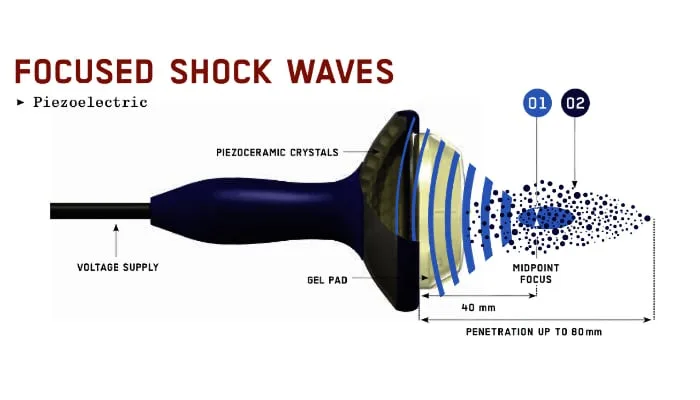
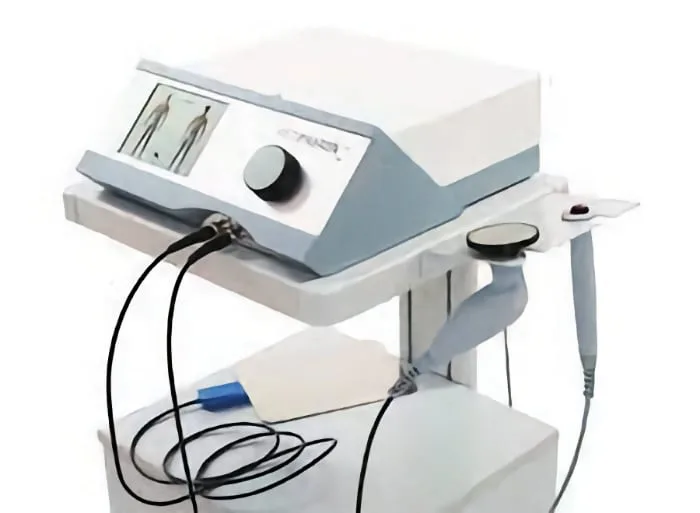
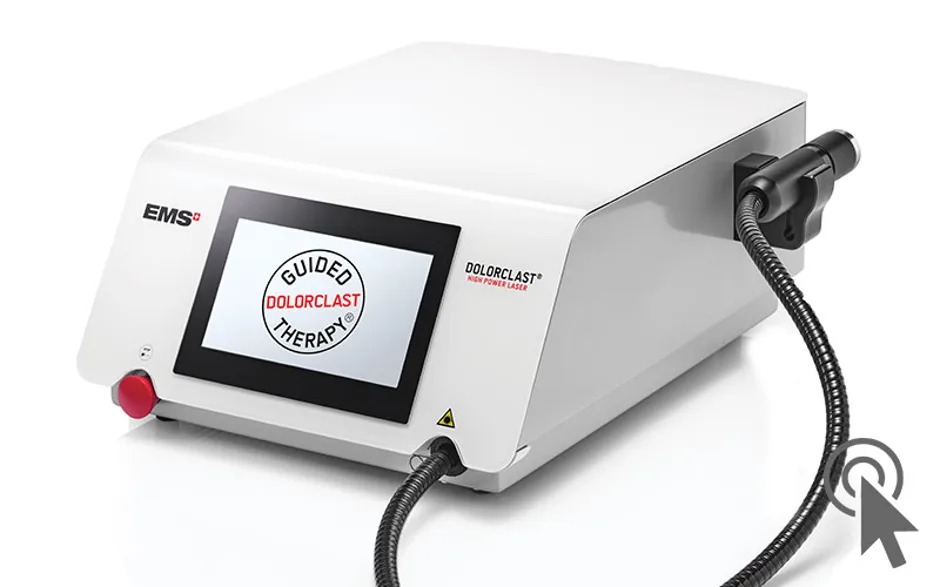
- Optional bolt-on: TECAR, LASER or Shockwave: +£30
Where to Get IDD Therapy
IDD Therapy is available at our Chigwell and Gidea Park clinics.
Patient Video Testimonials
Hear directly from patients who've been treated with IDD Therapy at Spine Plus. Watch the full playlist on YouTube →

Watch this if you are suffering with a disc bulge & looking for non invasive treatment

Discover Freedom from Chronic Pain with IDD Spinal Decompression Therapy

IDD Therapy Spine Plus Essex

Patient Testimonial - IDD Therapy - London Clinic

Patient Testimonial - Herniated Disc Treatment - London Clinic

Patient Testimonial - IDD Therapy
Herniated Disc Treatment, Non Surgical - a Patient's Testimonial

Patient Testimonial - IDD Therapy - London Clinic

IDD Therapy - Spine Plus Testimonial

Golda Rosheuvel Testimonial

IDD Therapy Spine Plus Essex Testimonial

Joe's IDD Therapy Testimonial - Excruciating Pain from Spinal Stenosis

Terry Back on His Bike with IDD Therapy After Disc Herniation and Sciatica

Dorothee's IDD & TECAR Therapy Testimonial for Back Pain and Stenosis

Nadeem's IDD Therapy Testimonial - Back Pain, Leg Pain, Trapped Nerve
A Real Patient Story
Having suffered with low back pain and sciatica for 4 years, despite trying various other physical therapies, John came to see us at Spine Plus for a free review. His MRI scan revealed a broad-based disc injury (protrusion) at his L5/S1 vertebrae that was compromising the left L5 nerve root in his spine, causing severe pain and discomfort for 4 years. We established a treatment plan combining IDD Therapy, medical acupuncture (paraspinal dry needling) and core strengthening exercises.
"For 40 years or more, I have suffered with some degree of back pain, but about ten years ago it became much worse. Physiotherapy – indeed, it only aggravated it. After 20 or so sessions with Spine Plus, using the IDD, there was a dramatic improvement. Now, two years later, I have virtually no back pain at all."
What Our Clients Say
Aston (JLS)
We would all like to thank Spine Plus for being part of our British Tour in 2012. Be great to have you on board in 2013.
Dr Bryn Walton
The team at Spine Plus have truly got my life back on track. After suffering for months with no idea where to go or what to do, I am now living a normal life again, something that I didn't think was possible.
Jono Partridge
There's no one else I go to keep me injury-free and at the top of my sport. It's as though they have a sixth sense and know exactly where the cause of an injury is and what to do about it!
Frequently Asked Questions
Are there any side effects to the treatment?
Almost all patients do not experience any serious side effects. Some transient mild discomfort, stiffness, or very occasionally muscle spasm can be experienced for a brief period following the initial few sessions, but this almost always settles as treatment progresses.
Exactly how does IDD Therapy achieve decompression at a particular level?
Decompression at specific segments is achieved using specific angles of pull. A slow pull is generated with a sinusoidal wave form of incremental pulling force up to a top target pressure, followed by patented oscillatory pulling forces during the top target pressure phase of each cycle. This minimises the possibility of muscle spasm while maximising the pumping and decompressive effects on the disc. No other spinal decompression or traction therapy is licensed to achieve the same effect.
Is there any risk to the patient during treatment?
No, so long as you do not have any of the exclusion criteria listed above, IDD Therapy is completely safe and comfortable. The system has emergency stop switches for both the operator and the patient, a requirement of the FDA, which end the treatment immediately.
How is IDD Therapy different from spinal traction?
Traditional traction does not involve the precise targeting of vertebral segments, variation in pulling angles and forces, oscillation, or biofeedback that are a feature of IDD Therapy. Traction and inversion tables can lower intradiscal pressure from around +90 to +30 mmHg. IDD Therapy is clinically proven to decrease intradiscal pressure to between -150 and -200 mmHg, creating a negative pressure that maximises the chance of reducing disc protrusions and improving healing of the injured disc.
Can spinal decompression be used for people who have had spinal surgery?
Apart from operations such as spinal fusion or disc replacement surgery that involve metal work in the spine, in most cases spinal decompression treatment is not contra-indicated for patients who have undergone spinal surgery. A lot of patients have found success with IDD Spinal Decompression Therapy after a failed back surgery.
Book Your IDD Therapy Consultation
Call Chigwell 020 8501 0937 or Gidea Park 01708 782026 to speak to our specialist team today.