
















Therapeutic Ultrasound Treatment
Supporting the recovery of ligament sprains and soft-tissue injuries
View Our Clinics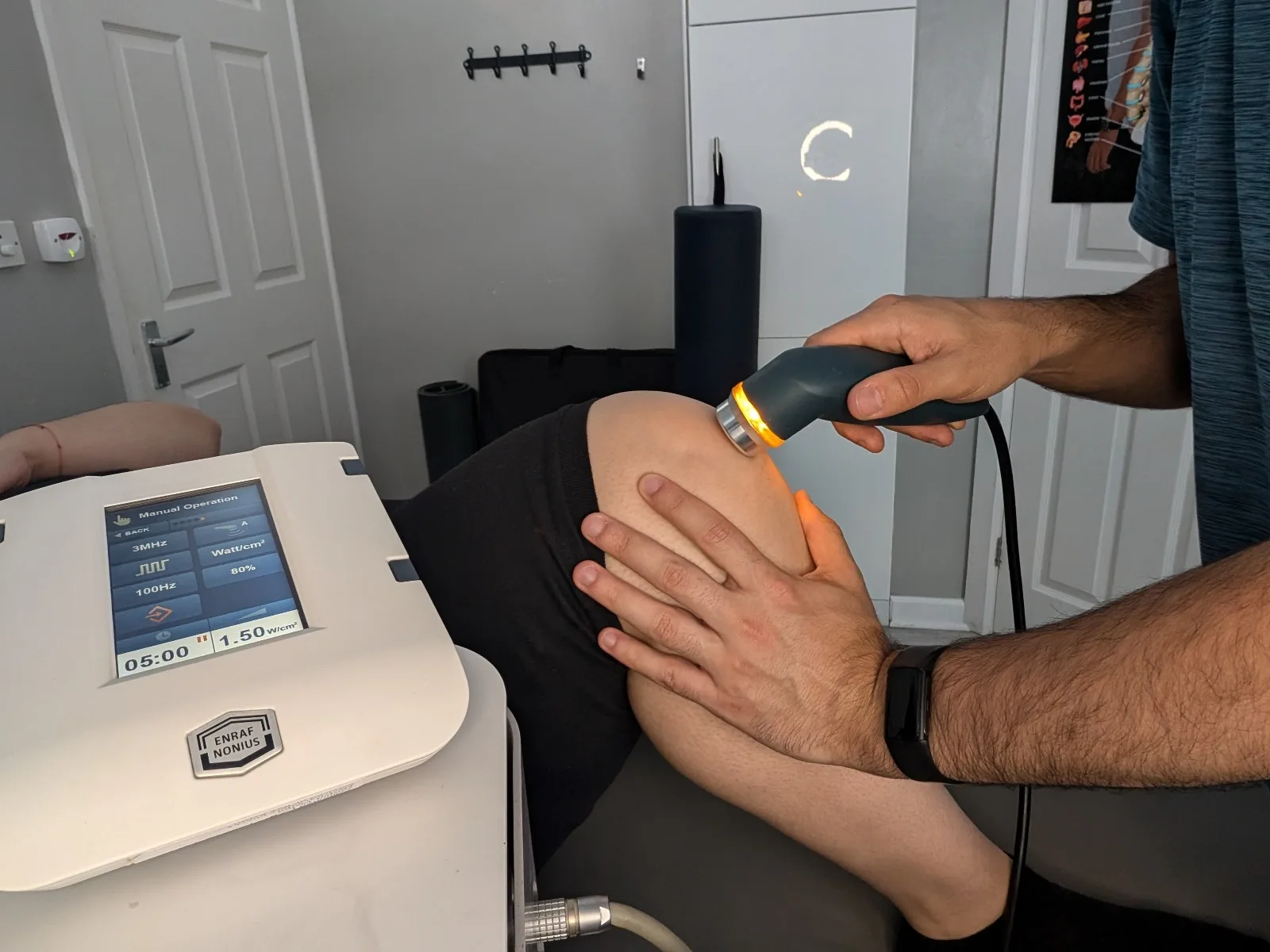
Therapeutic ultrasound is a non-invasive treatment used to support the rehabilitation of injured muscles, tendons, ligaments and other soft tissues. It is commonly incorporated into a wider treatment programme for recent injuries, persistent soft-tissue problems and areas that remain painful or sensitive during recovery.
At Spine Plus, therapeutic ultrasound may be used alongside clinical assessment, manual therapy, rehabilitation exercises, taping and other appropriate treatments.
What is therapeutic ultrasound?
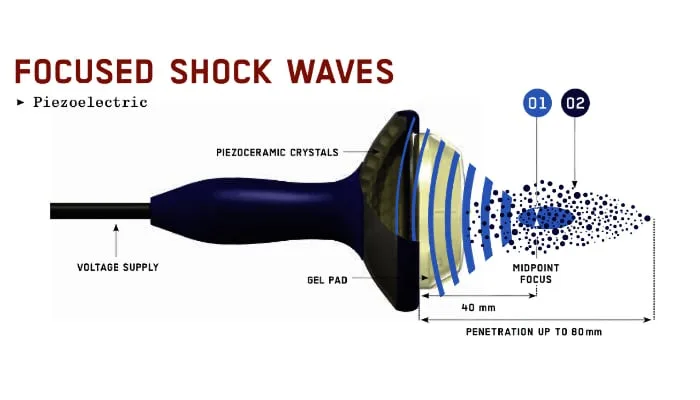
Therapeutic ultrasound uses high-frequency sound waves delivered through a handheld treatment head. A water-based gel is applied to the skin, allowing the ultrasound energy to pass into the tissues beneath the treated area.
Depending on the nature and stage of the injury, the practitioner can adjust the frequency, intensity and delivery mode. Pulsed ultrasound is generally selected when treating more acute or irritable conditions, while continuous ultrasound may be considered for longer-standing soft-tissue restrictions.
What conditions can therapeutic ultrasound be used for?
Therapeutic ultrasound may be considered as part of the treatment of:
- Ankle, knee, wrist and other ligament sprains
- Acute muscle strains and soft-tissue injuries
- Localised swelling following injury
- Tendon injuries and tendinopathy
- Scar tissue and soft-tissue adhesions
- Joint capsule stiffness
- Muscle spasm and restricted movement
- Selected bursae and other superficial soft-tissue conditions
Your practitioner will assess the injury before deciding whether ultrasound is appropriate. In some cases, another treatment or a rehabilitation-led approach may be more suitable.
Therapeutic ultrasound for ligament sprains
Ligament sprains commonly occur when a joint is suddenly twisted or forced beyond its normal range. Ankle inversion injuries are a particularly common example.
During the early stages of a ligament injury, treatment is focused on protecting the damaged tissue, controlling symptoms and gradually restoring comfortable movement. Therapeutic ultrasound may be used as an adjunct to this process, alongside appropriate support or strapping and progressive rehabilitation exercises.
Where a fracture, complete ligament rupture or more significant injury is suspected, we may recommend further investigation or referral before treatment continues.
Therapeutic ultrasound for acute soft-tissue injuries
Following an acute muscle, tendon or ligament injury, the area may become painful, swollen and difficult to move. Pulsed therapeutic ultrasound can be delivered without producing substantial tissue heating, making it potentially suitable for selected recent injuries.
Treatment is tailored to the location, depth and irritability of the injury. Ultrasound does not replace appropriate loading and rehabilitation, but it may form one part of a structured recovery programme.
What does the treatment feel like?
Therapeutic ultrasound is normally comfortable and should not be painful. Gel is applied to the skin and the treatment head is moved continuously over the affected area.
You may feel little or nothing during pulsed treatment. When a thermal setting is used, you may notice mild warmth in the area. A typical application lasts approximately five to ten minutes, depending on the size and nature of the injury.
How many treatments will I need?
The number of sessions depends on:
- The type and severity of the injury
- How recently the injury occurred
- The tissue involved
- Your symptoms and functional limitations
- Your response to treatment
- Whether rehabilitation exercises are also required
Some people require only a small number of treatments, while more persistent problems may need a broader course of treatment and progressive rehabilitation.
Is therapeutic ultrasound safe?
Therapeutic ultrasound is generally considered safe when applied by an appropriately trained practitioner following a clinical assessment. It is not suitable for every person or every area of the body.
Treatment may need to be avoided or modified in circumstances including suspected fracture, active infection, impaired sensation, certain circulatory conditions, pregnancy over relevant areas, active cancer in the treatment area or the presence of particular implanted devices.
Your practitioner will check for relevant precautions and contraindications before beginning treatment.
Assessment-led soft-tissue treatment at Spine Plus
We do not use therapeutic ultrasound as an isolated or automatic treatment. We first assess the injury, identify the tissue that is likely to be involved and consider whether imaging or further medical investigation may be required.
Where appropriate, ultrasound can then be combined with:
- Manual therapy
- Supportive taping or strapping
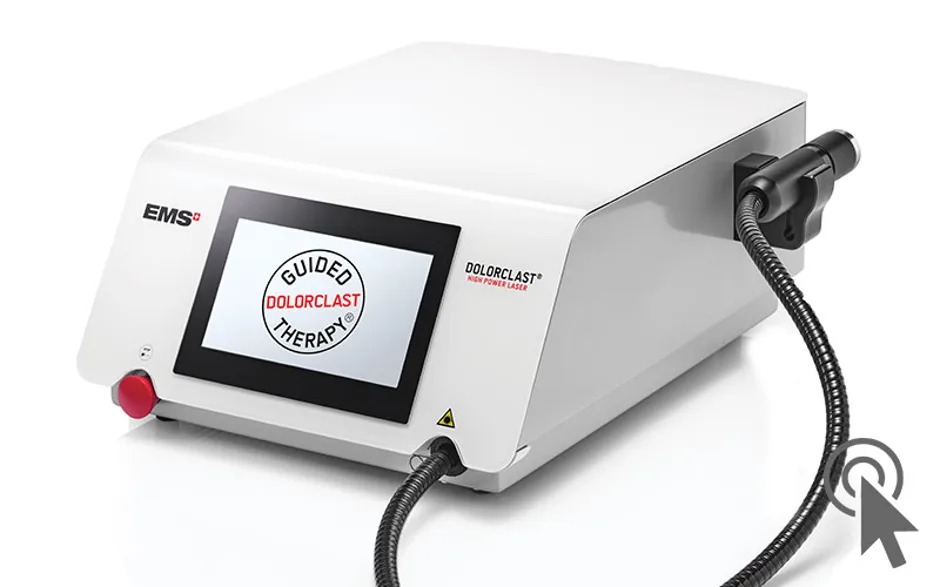
- Laser therapy
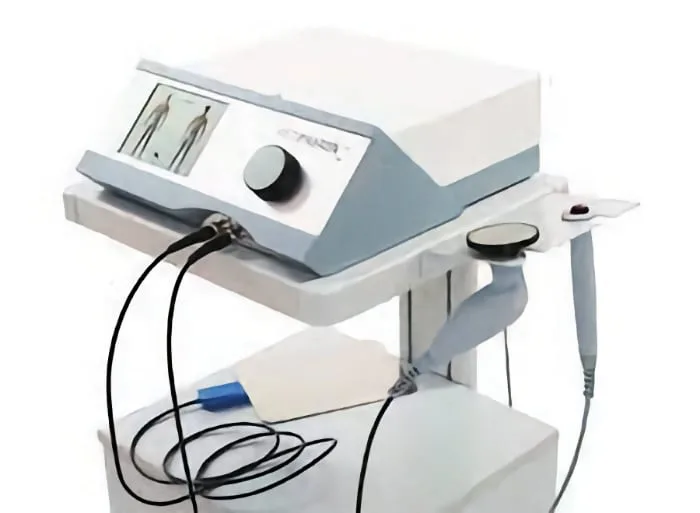
- TECAR therapy
- Progressive mobility and strengthening exercises
- Advice about activity modification and returning to sport
Book an Appointment
If you have sustained a ligament sprain, muscle strain or another soft-tissue injury, book an assessment with the Spine Plus team. We can evaluate the injury, advise you on the most appropriate next steps and incorporate therapeutic ultrasound when clinically indicated.
Book Now