














Back Pain Treatment in Woodford
Expert spinal assessment and treatment at Spine Plus Woodford Green
5 Jubilee Market, St Barnabas Rd, Woodford Green, IG8 7BY. CALL 020 8506 1000
Book Now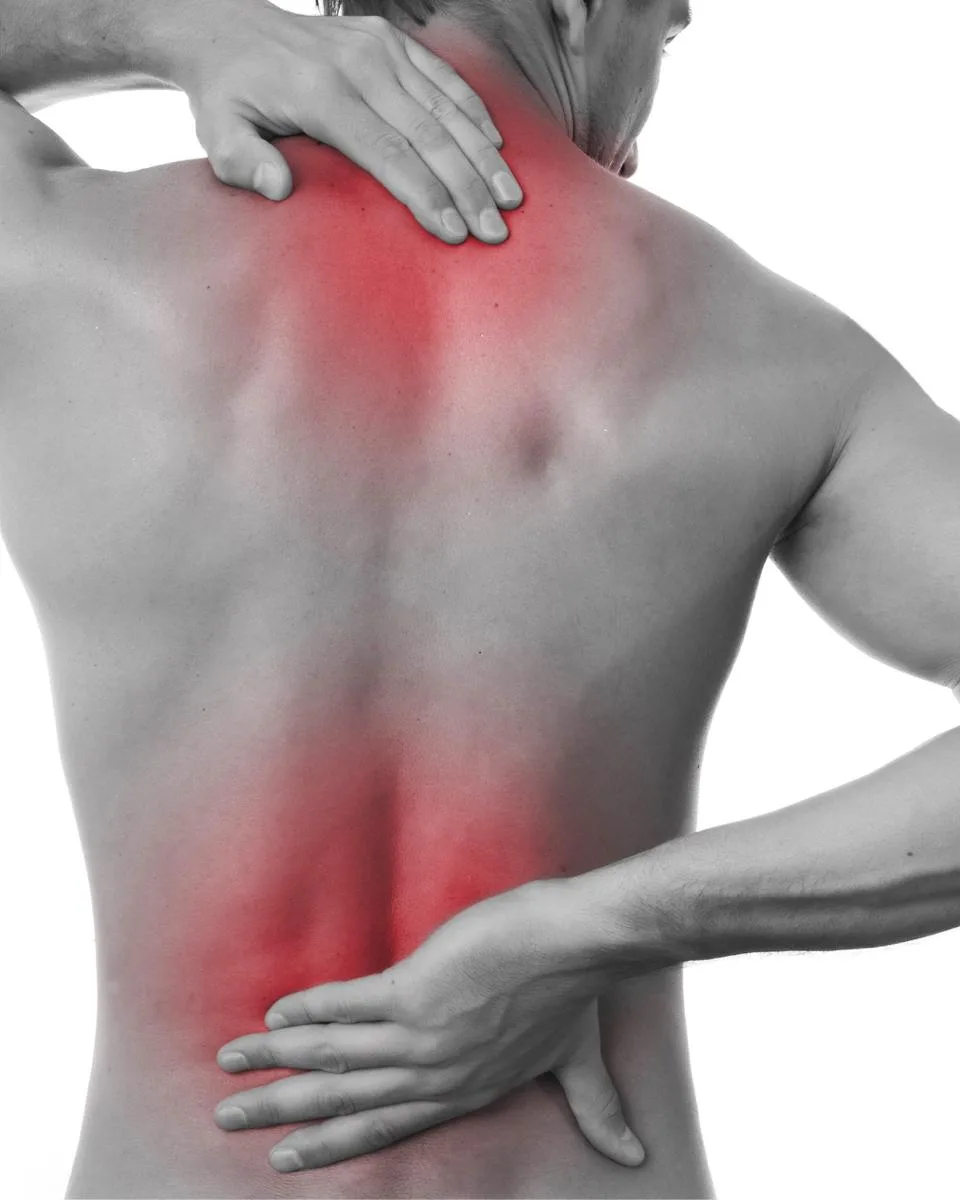
Spine Plus Woodford provides specialist assessment and treatment for back pain. Our multidisciplinary team of osteopaths and physiotherapists has been helping patients in Woodford, South Woodford, Buckhurst Hill, Loughton, Wanstead and the surrounding areas return to normal activity safely for over 20 years.
Whether your back pain is recent or long-standing, our clinicians will carry out a thorough assessment to identify the cause of your symptoms and provide an honest, evidence-based treatment plan.
Common Causes of Back Pain
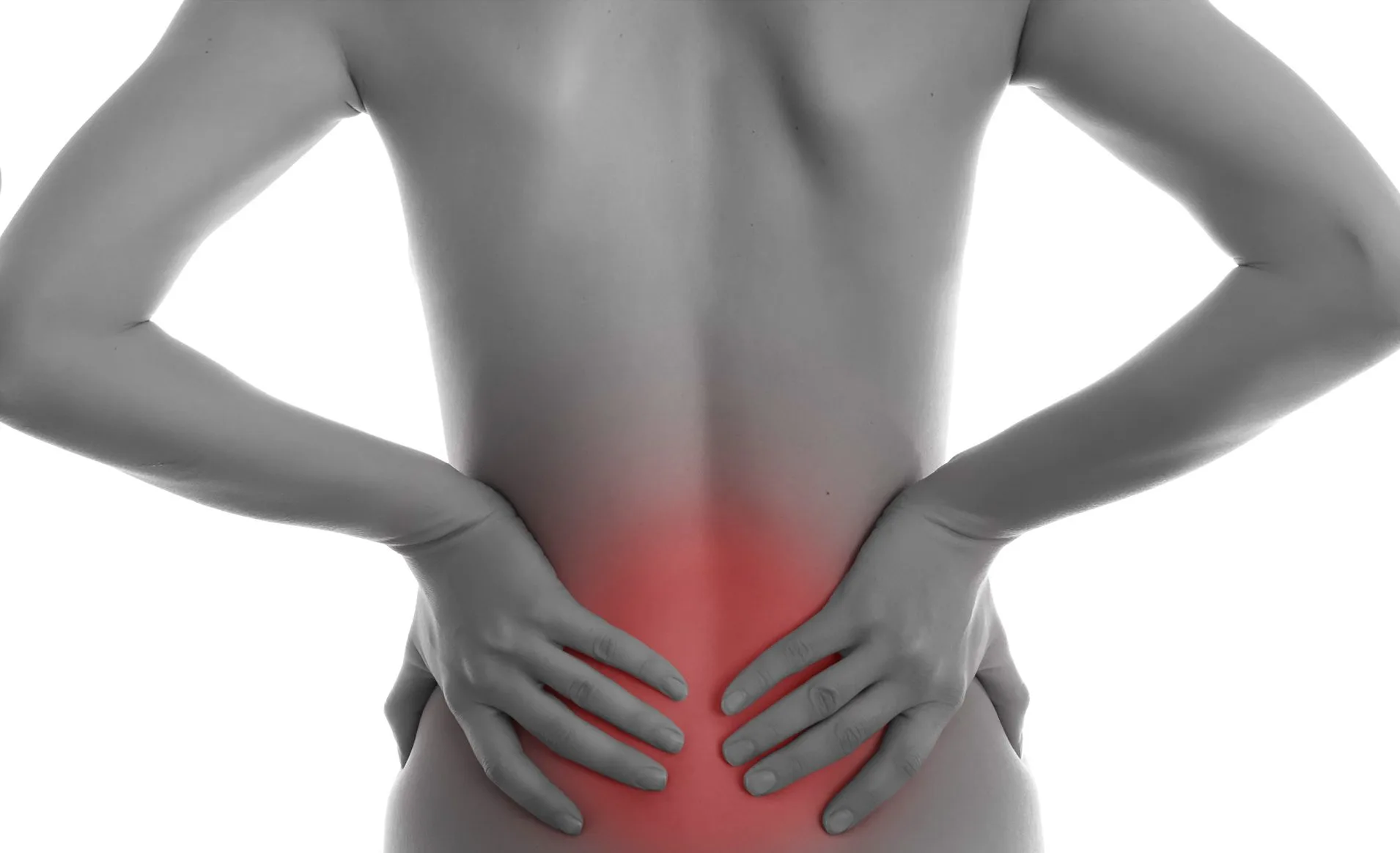
Back pain can have many causes. The most common include:
- Muscle strain and soft tissue injury
- Facet joint irritation or inflammation
- Bulging or herniated spinal discs
- Degenerative disc disease and ligament changes
- Sciatica caused by nerve root compression
- Spinal stenosis
- Sacro-iliac joint dysfunction
Symptoms
Common symptoms of back pain include:
- Localised lower back pain
- Muscle spasm
- Stiffness or restricted movement
- Pain when sitting, bending or lifting
- Pain spreading into the buttock or leg
- Numbness or tingling in the leg or foot
Pain radiating into the leg may indicate irritation of the sciatic nerve. This should always be assessed thoroughly to identify the underlying cause.
When to Seek Treatment
You should seek professional assessment if your back pain:
- Has lasted longer than 2 to 3 weeks
- Is recurring or getting worse
- Is associated with leg pain, numbness or tingling
- Is interfering with sleep, work or everyday activities
Early diagnosis leads to better outcomes. You do not need a GP referral to see us.
How We Assess Back Pain
Your initial assessment at Spine Plus Woodford includes:
- Detailed medical history and symptom review
- Orthopaedic and neurological testing
- Movement analysis and postural assessment
- Review of any existing MRI or X-ray reports
Where imaging is required, we can arrange rapid access to MRI with expert radiological reports. We work closely with a network of spinal consultants, radiologists and surgeons.
Back Pain Treatments at Spine Plus Woodford
Our Woodford clinic offers the full range of evidence-based treatments for back pain:
Osteopathy and Physiotherapy
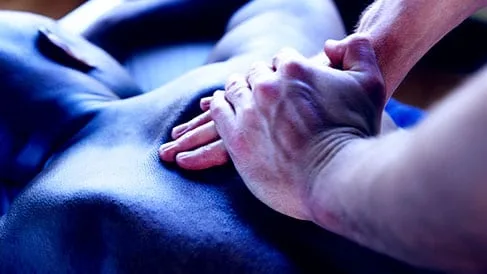
Expert hands-on manual therapy to reduce pain, restore mobility and address the underlying cause of your back pain. Our practitioners use deep soft tissue techniques, joint mobilisation, manipulative therapy and clinical acupuncture.
IDD Spinal Decompression Therapy
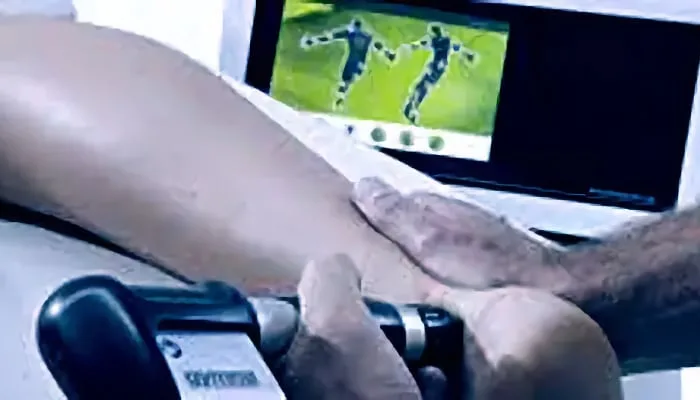
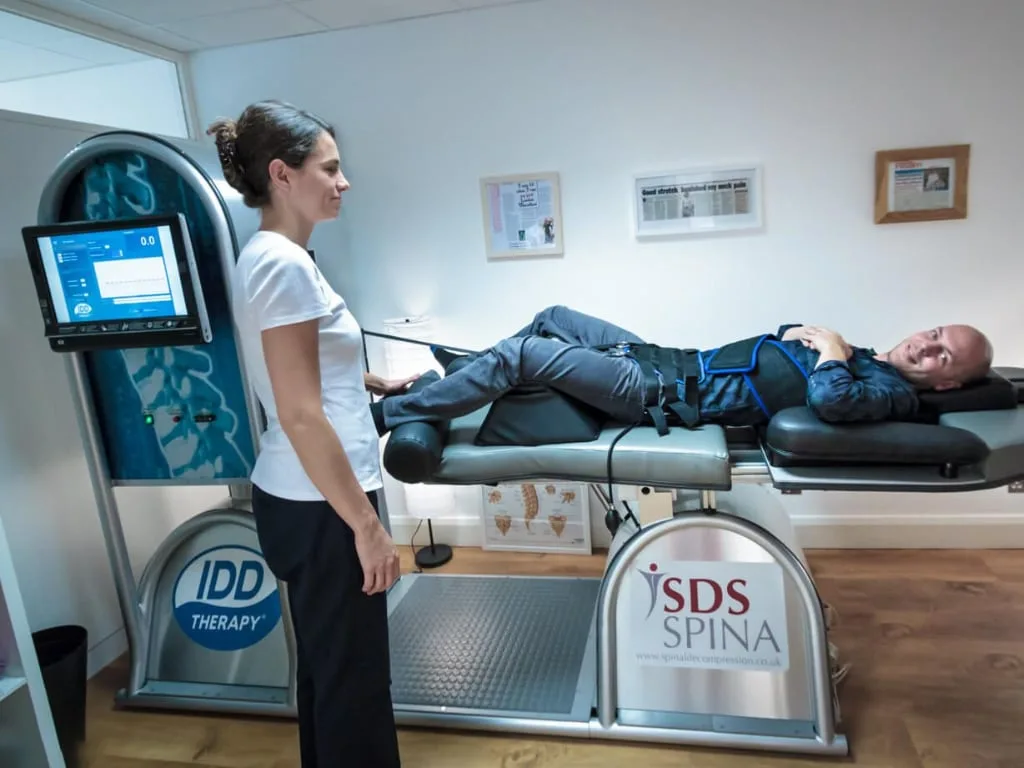
IDD Therapy is the gold standard non-surgical treatment for disc injuries, sciatica, spinal stenosis and degenerative disc conditions. Spine Plus was one of the first three clinics in the UK to offer IDD Therapy and is one of the country's most experienced providers. IDD is available at our Woodford clinic.
Shockwave and Electrotherapy
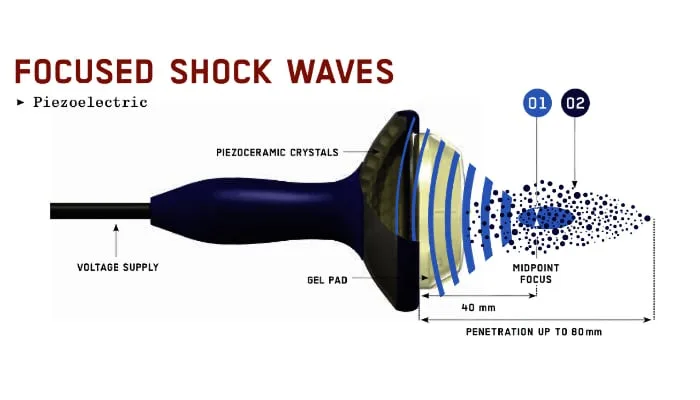
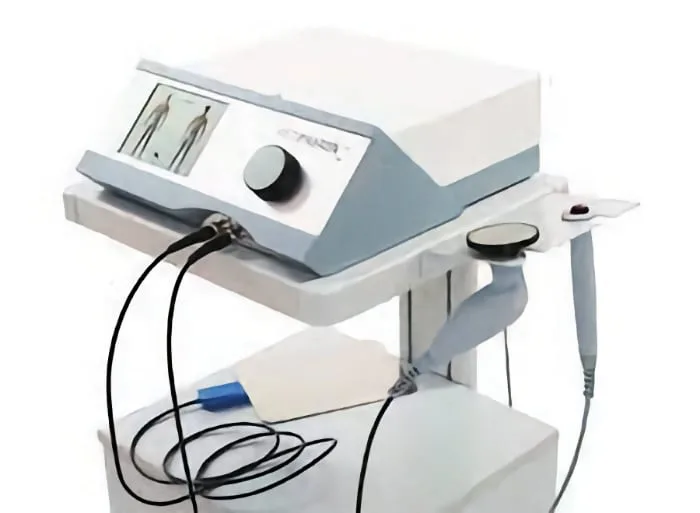
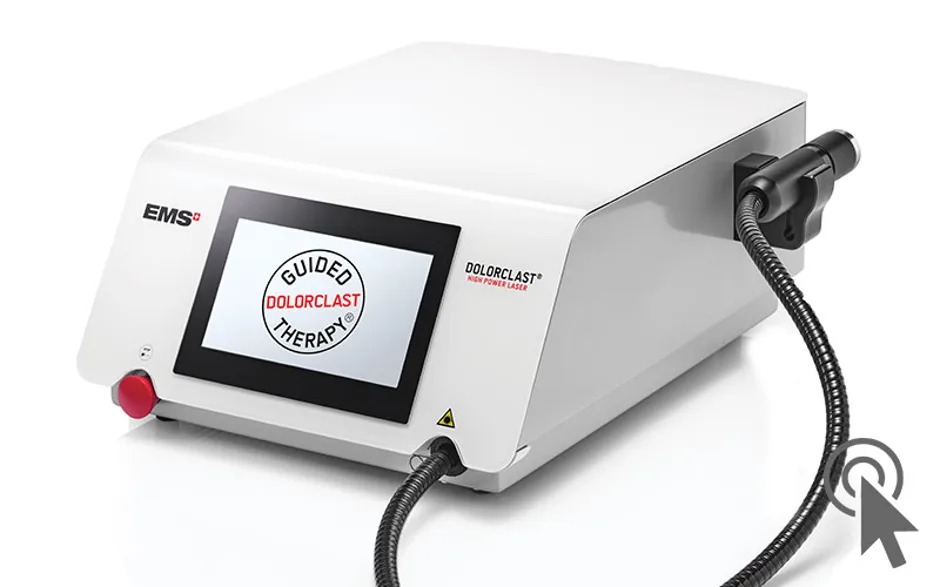
Focused and radial shockwave therapy, TECAR therapy, and Class IV laser are used to reduce inflammation, promote tissue healing and address musculoskeletal pain that has not responded to manual therapy alone.
Rehabilitation
Structured exercise programmes to strengthen the core and surrounding spinal muscles, improve posture, and prevent recurrence. We provide patients with a clear home exercise plan from their first appointment.
Why Choose Spine Plus Woodford?
- Multi-practitioner, multidisciplinary service supervised by clinical director Robert Shanks
- Advanced in-house training beyond standard undergraduate level
- Consultant-grade osteopaths and physiotherapists
- Over 20 years as one of the UK's leading spinal clinics
- Rated 4.9 stars from over 212 Google reviews
- Same day and next day appointments available
- Open evenings and Saturdays
- No GP referral required
Areas We Serve
Our Woodford clinic regularly treats patients from Woodford, South Woodford, Buckhurst Hill, Chigwell, Loughton, Wanstead and Epping.
Ready to get your back pain assessed? Call 020 8506 1000 or book online.
Book NowFurther Information and Frequently Asked Questions
Can back pain go away on its own?
Many mild episodes of back pain improve within a few weeks with rest and gentle movement. However, if pain persists or keeps recurring, the underlying issue often needs to be addressed. Untreated spinal problems such as disc injuries or joint dysfunction can lead to repeated flare-ups. Early treatment can often prevent a minor problem becoming chronic.
What is the fastest way to relieve back pain?
The fastest way to relieve back pain depends on the underlying cause. For muscle strains, gentle movement, heat and manual therapy can often provide relief within a few days. However, if the pain is caused by disc irritation, joint dysfunction or nerve compression, professional treatment may be required to properly address the problem. A thorough assessment helps identify the exact cause so treatment can be targeted effectively.
What should I avoid if I have back pain?
If you are experiencing back pain, it is usually best to avoid prolonged sitting, heavy lifting, repeated bending, and sudden twisting movements. Remaining gently active is usually better than complete rest.
Can a slipped disc heal without surgery?
Many disc problems respond well to conservative treatment, including manual therapy, rehabilitation exercises and spinal decompression therapy. Surgery is usually only considered if symptoms are severe, significant nerve damage is present, or conservative treatment fails. Most patients improve with the right non-surgical approach.
Is your Osteopath, Physio or Chiropractor a generalist or a back pain expert?
Not all back pain is the same, and not all practitioners treat it the same way. If you've been told you have a disc bulge, herniation or nerve irritation, it's important to understand that general back pain care and specialist disc care are not the same thing. For simple mechanical back or neck pain, such as stiffness, minor flare-ups or postural strain, a general physio or chiropractor is often appropriate. But confirmed disc injuries are different: they involve altered spinal loading, internal disc pressure changes, and often nerve root irritation. Treating this correctly requires a clear understanding of disc biomechanics, accurate interpretation of MRI findings, knowledge of directional loading strategies, structured staged rehabilitation, and knowing when decompression, shockwave or advanced modalities may be appropriate, and equally important, knowing what not to do.
How long does it take for back pain to recover?
Recovery time depends on the underlying cause. Early treatment often helps speed up recovery and reduce the risk of recurring episodes.
What is the difference between a muscle strain and a disc injury?
Muscle strain typically causes localised pain in the back, often following lifting or sudden movement. Disc injuries, on the other hand, often cause pain when sitting or bending, pain that radiates into the buttock or leg, and numbness or tingling in the leg. Because the treatments are different, identifying the correct source of pain is important.
Do I need an MRI scan for back pain?
Most cases of back pain do not require immediate imaging. However, an MRI may be recommended if pain is severe or persistent, symptoms suggest nerve compression, or progress is not being made with treatment. A specialist can advise when imaging is appropriate.
Can sciatica be treated without surgery?
Yes, most cases of sciatica can be treated successfully without surgery. Treatment usually focuses on reducing pressure on the nerve, improving spinal movement and strengthening supporting muscles. With the right approach, many patients recover fully.
Should I rest or stay active with back pain?
If you are in severe spasm or pain, a day or two of relative rest is OK, but you should generally try to get up and about if you can rather than stay in bed all day, as this risks your core muscles becoming weaker and adverse inflammation and swelling building up in your tissues.
Is walking good for lower back pain?
As a general rule, yes, walking is good for back pain, so long as it does not make your symptoms progressively worse.
Patient Testimonials
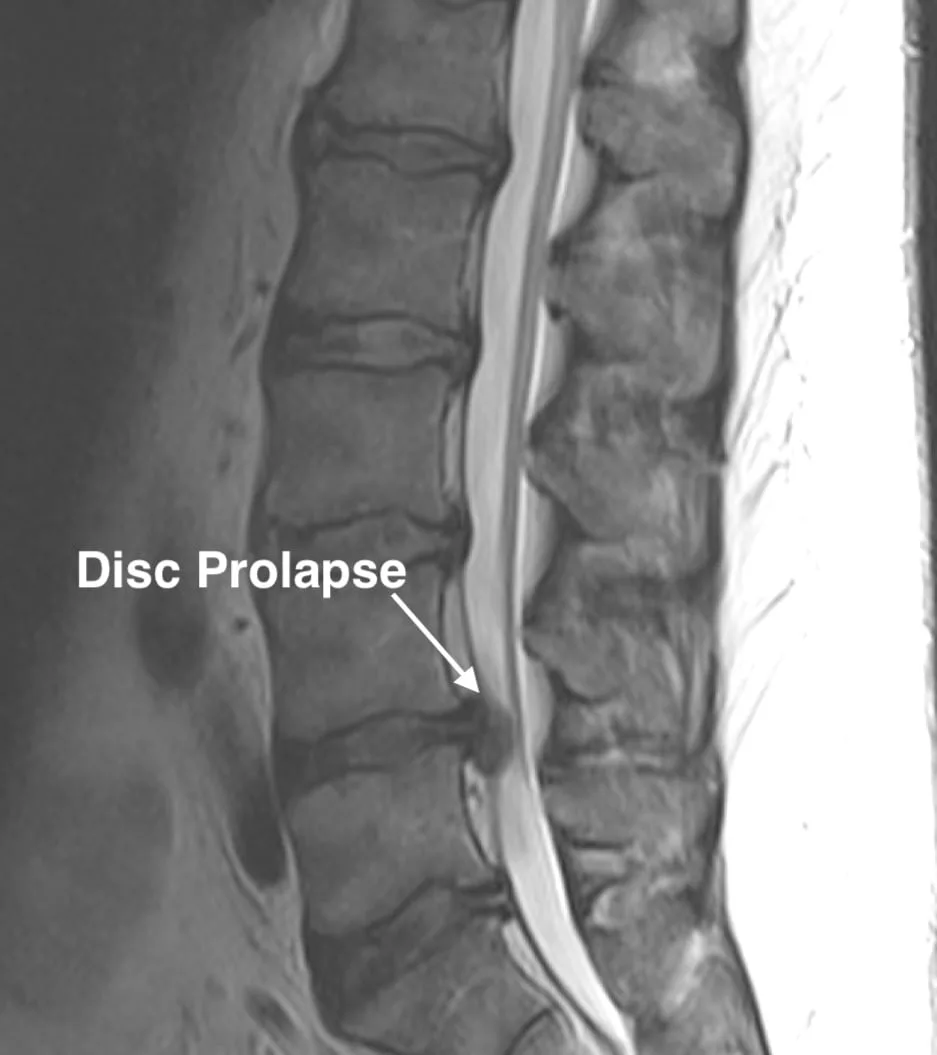
John came to Spine Plus for a free review after suffering low back pain and sciatica for 4 years despite trying various physical therapies. His MRI scan revealed a broad-based disc injury (protrusion) at his L5/S1 vertebrae, compromising the left L5 nerve root and causing severe pain and discomfort for 4 years. A treatment plan combining IDD Therapy, medical acupuncture (paraspinal dry needling) and core strengthening exercises followed.
"For 40 years or more, I have suffered with some degree of back pain, but about ten years ago it became much worse. Physiotherapy – indeed, it only aggravated it. After 20 or so sessions with Spine Plus, using the IDD, there was a dramatic improvement. Now, two years later, I have virtually no back pain at all."
Dr Bryn Walton
The team at Spine Plus have truly got my life back on track. After suffering for months with no idea where to go or what to do, I am now living a normal life again, something that I didn't think was possible.
Jono Partridge
There's no one else I go to keep me injury-free and at the top of my sport. It's as though they have a sixth sense and know exactly where the cause of an injury is and what to do about it!