

















Spine Plus Blog
What Causes Excessive Shear Force on Lumbar Intervertebral Discs?
Published: 5 June 2025
By Robert Shanks, Director, Spine Plus Clinics
Shear force occurs when two parts of the spine are forced to slide past each other horizontally, rather than being compressed vertically. Think of pushing a deck of cards sideways: the layers shift out of alignment.
Main Causes of Shear Force on the Lumbar Spine
1. Spinal Flexion Under Load
Bending at the spine rather than at the hips, especially under load, is one of the primary causes. Examples include rounding the back during deadlifts or squats, or sitting and slouching with a loaded barbell on your back. Forward flexion changes the angle of load, creating shear at L4 to L5 or L5 to S1. The discs and ligaments bear shear instead of muscles.
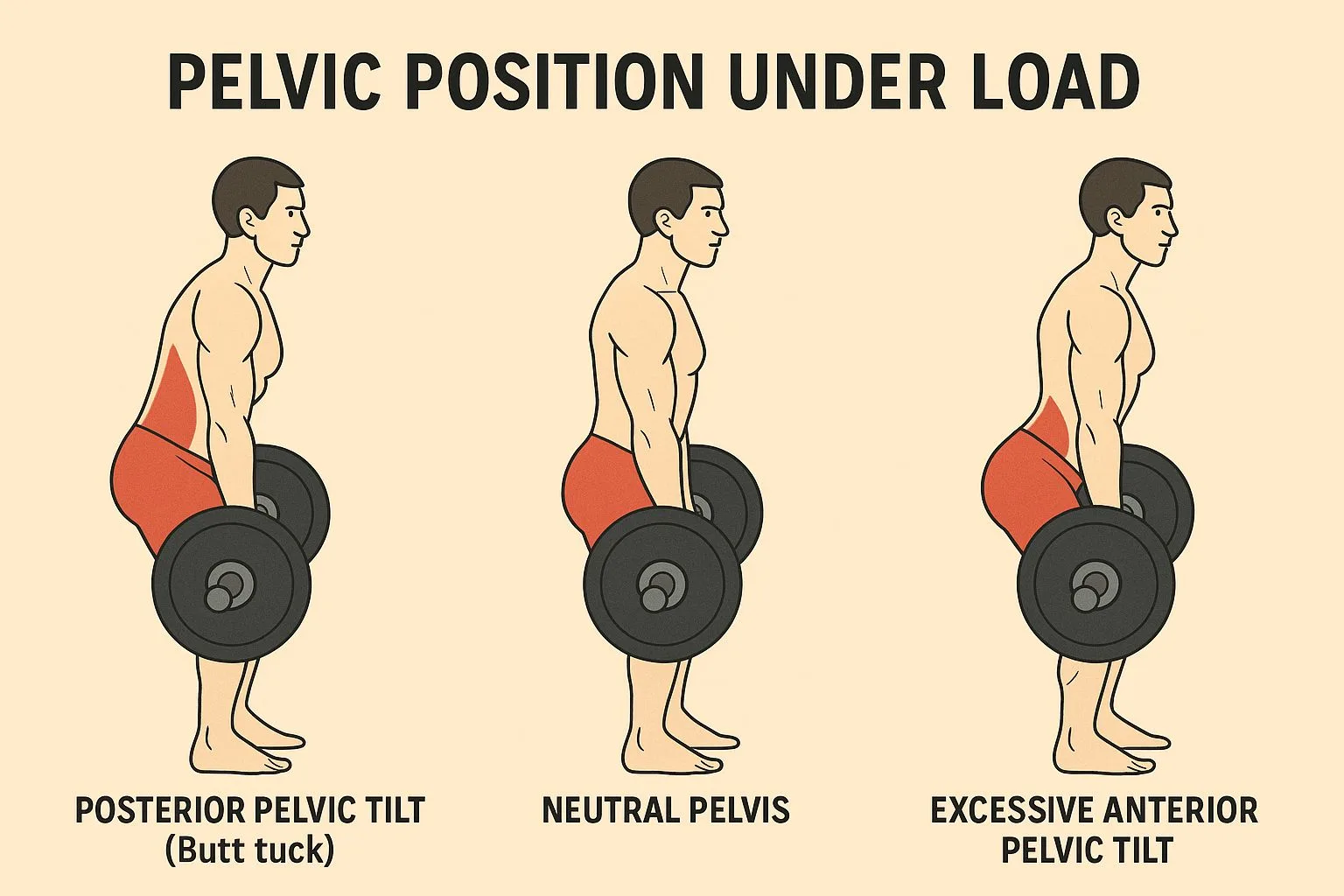
2. Excessive Anterior Pelvic Tilt (APT) Under Load
Over-arching the lower back under compression puts the lumbar spine into excessive lordosis, causing vertebral bodies to angle and create shear stress forward and downward. This is common in standing calf raises, back squats, and overhead presses. The fix: brace the core, keep ribs down, glutes slightly tucked to achieve neutral pelvis.
3. Forward Leaning Torso with Vertical Load
The more your torso leans forward, the more horizontal (shearing) force is placed on the lumbar spine. This is most common in barbell good mornings and bent-over rows with poor bracing, where torso angle turns vertical compression into shear.
4. Improper Seated Posture Under Load
Sitting with a rounded low back while bearing weight causes persistent shear stress even without heavy loading. This is seen in the leg press with a rounded lumbar spine and seated rows where the back rounds. Even without a heavy barbell, prolonged shear stress can be problematic.
5. Horizontal or Diagonal Load Vectors
Exercises where force pulls the spine sideways or diagonally require strong anti-shear core engagement. Examples include poor technique in cable woodchoppers, offset carries without proper bracing, and landmine presses with side lean.
6. Instability or Fatigue in the Core
If your core can't resist motion, even vertical loads can turn into shear. This is especially important in high-rep squats and deadlifts, advanced overhead lifts, and any time you lose bracing mid-set.
How to Minimise Shear Force
- Maintain a neutral spine (not rounded or over-arched)
- Brace the core with 360-degree pressure, not just the abs
- Hinge from the hips, not the back
- Use progressive loading: don't chase weight at the expense of form
- Use box supports, belts, or machines where appropriate
Bottom Line
Shear force is mainly created by poor positioning or posture, especially when the spine moves under load. Axial loading itself isn't dangerous. It's when vertical force becomes diagonal or horizontal, due to angles or flexion, that problems arise.
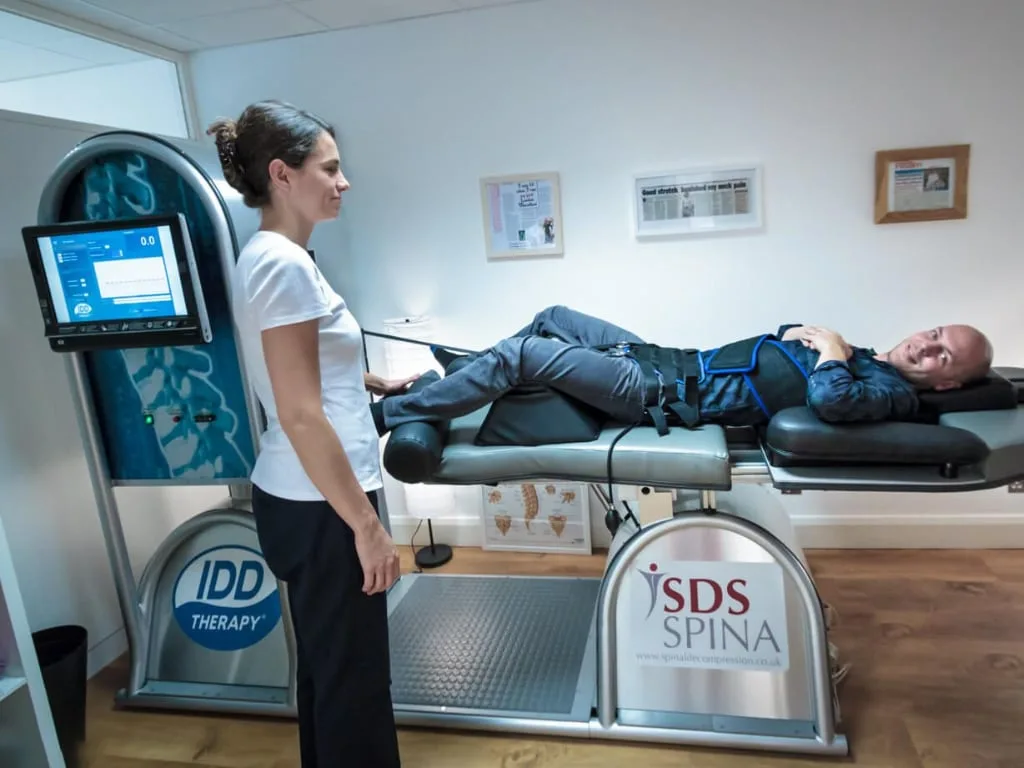
Struggling with a disc problem or want to improve your posture and core activation? Book in with one of our specially trained osteopaths or ask about IDD Spinal Decompression Therapy.